There are several possible causes, including injury, osteoarthritis and inflammation. Sometimes the swelling settles on its own, while in other cases treatment may be needed.
This guide explains what causes water on the knee, how to manage mild swelling at home and when you should seek medical advice.
What Does Water on the Knee Mean?
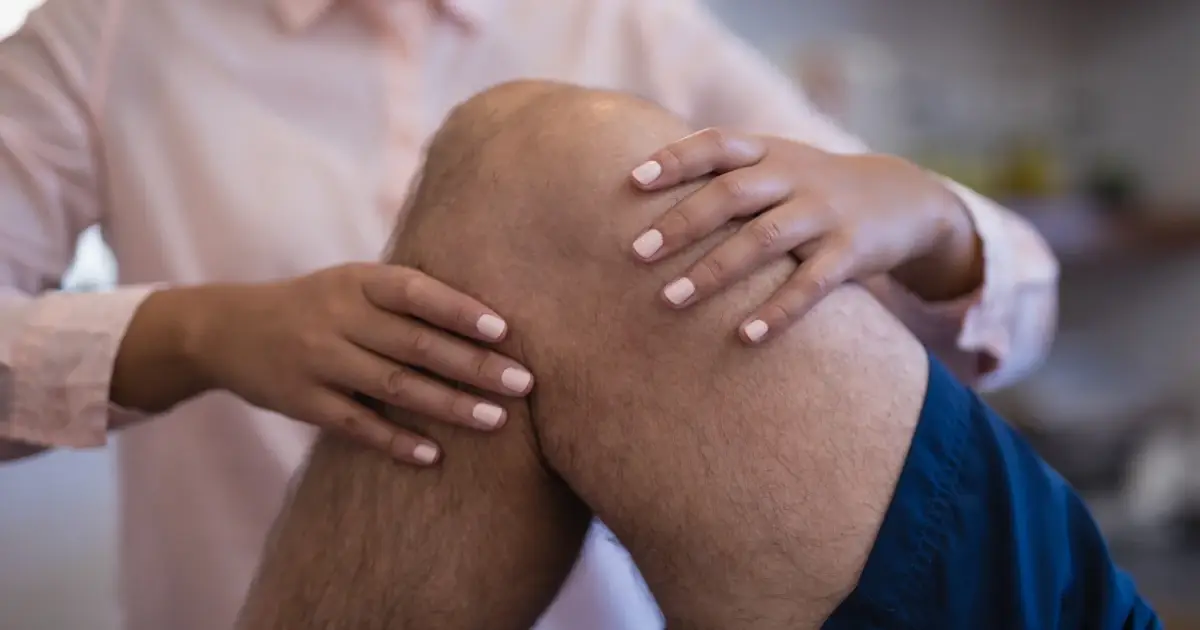
The medical term for water on the knee is knee effusion. This means that excess fluid has collected inside the knee joint.
Your knee naturally contains a small amount of fluid, which helps the joint move smoothly. This fluid is produced by a thin lining inside the joint, called the synovial membrane.
When the knee becomes injured or inflamed, it may produce more fluid than normal, causing swelling.
The fluid can sometimes contain blood, particularly following an injury, or become cloudy due to inflammation or infection. In some cases, a doctor may take a sample of the fluid to help identify the cause.
Signs and Symptoms of Water on the Knee
The symptoms of water on the knee can vary depending on what is causing the swelling.
Common symptoms include:
- Visible swelling: The knee may look larger or more rounded than usual, particularly around the kneecap.
- Stiffness: You may find it difficult to bend or fully straighten your knee.
- Pain or discomfort: The knee may ache, particularly when walking, climbing stairs or standing for long periods.
- A feeling of tightness: Fluid inside the joint can create a sensation of pressure or fullness.
- Warmth: The knee may feel warmer than usual, especially if inflammation is present.
Water on the knee is a symptom of an underlying problem rather than a condition in itself. Identifying the cause is important because different conditions require different treatments.
What Does the Timing of Knee Swelling Tell You?
How quickly your knee becomes swollen can provide useful clues about the cause.
- Swelling within a few hours of an injury: This may indicate bleeding inside the joint, which can occur following a ligament injury, fracture or other significant knee injury.
- Swelling that develops over a day or two after twisting your knee: This may suggest damage to the meniscus (the cartilage that cushions the knee) or a ligament injury.
- Gradual swelling that comes and goes: This is common in knee osteoarthritis, particularly in people over 45. The knee may feel stiff after resting, with stiffness usually improving within 30 minutes of moving around. You can read more about the signs of knee osteoarthritis.
- Sudden swelling with severe pain and warmth: This may be caused by gout, pseudogout (also called calcium pyrophosphate crystal arthritis) or a joint infection. Gout pain often reaches its worst within 12 hours. A sudden, hot, swollen joint requires urgent medical assessment to rule out infection.
- Swelling in several joints with prolonged morning stiffness: This may suggest an inflammatory condition such as rheumatoid arthritis.
- Swelling behind the knee or at the front of the kneecap: A swelling behind the knee may be caused by a Baker’s cyst, while swelling over the front of the kneecap, particularly after repeated kneeling, may be caused by bursitis. Both involve collections of fluid.
These patterns can help identify possible causes, but a medical assessment may be needed to confirm the diagnosis.
Osteoarthritis is one of the most common causes of recurring knee swelling, affecting over 5 million people in the UK.
When to get checked
This guide will help you understand when and how to seek help.
When to Seek Urgent Medical Help
Seek medical advice on the same day if:
- Your knee is hot, swollen and very painful, particularly if you also have a fever or feel unwell. This could indicate septic arthritis, a serious joint infection that requires urgent treatment. Infection can occur even without a fever.
- You cannot put weight on your leg after an injury, or your knee looks visibly deformed. This may indicate a fracture or significant joint injury.
- You have previously had a knee replacement and develop new swelling, warmth or pain around the joint. Contact your surgical team or seek urgent medical advice, as this could indicate an infection.
- Your calf becomes swollen, painful, warm or discoloured, particularly if the swelling affects only one leg. This could indicate a deep vein thrombosis (DVT), which is a blood clot in a deep vein.
Call 999 immediately if you develop sudden breathlessness, chest pain, or cough up blood, as these may be signs of a blood clot in the lungs (pulmonary embolism).
When to See Your GP or a Physiotherapist
Arrange an appointment with your GP or a physiotherapist if your knee remains swollen for several days despite home care, or if the swelling developed after an injury, even if you can still walk.
You should also seek assessment if your knee repeatedly gives way, catches or feels unstable. If your knee becomes completely locked and you cannot straighten it, seek urgent medical advice.
Seek medical advice sooner if you take blood-thinning medication, as this can increase the risk of bleeding into the joint. People with diabetes or a weakened immune system should also be particularly cautious because of the increased risk of infection.
If your knee is still noticeably swollen after two weeks, it should be assessed, even if the pain is mild.
Home Care for Water on the Knee
If your knee is mildly swollen following a minor injury, and you have none of the warning signs described above, there are several things you can do at home to help reduce pain and swelling.
For the first two to three days:
- Protect your knee. Avoid activities that might cause further injury, particularly twisting movements.
- Reduce your activity. Avoid running, jumping and strenuous exercise. Short, gentle walks are usually fine if they do not make your symptoms worse.
- Apply ice. Place an ice pack wrapped in a towel over your knee for 15–20 minutes every two to four hours. Never apply ice directly to your skin.
- Use compression. An elastic knee support or bandage may help reduce swelling. It should feel comfortable and supportive, rather than tight. Remove it if you experience tingling, numbness or changes in skin colour.
- Raise your leg. When resting, support your leg on pillows, ideally with your knee above the level of your heart, to help reduce swelling.
During the first couple of days after an injury, avoid applying heat or massaging the knee, as these may make swelling worse.
If you need pain relief, paracetamol may help. Anti-inflammatory medicines, such as ibuprofen gel or tablets, can also reduce pain, although they are not suitable for everyone. Check with a pharmacist before using ibuprofen, particularly if you have asthma, stomach ulcers, kidney or heart problems, or take blood-thinning medication.
What to Do After the First Few Days
As the pain and swelling improve, gradually return to your normal activities.
Gentle knee movements and short walks can help reduce stiffness and maintain muscle strength. Avoid resting for too long, as this can weaken the muscles that support your knee.
Once the swelling has settled, applying warmth may help relieve any remaining stiffness.
If your knee remains swollen, becomes more painful or is not improving, seek medical advice.
How Doctors Find the Cause of Knee Swelling
If you have water on the knee, your doctor will ask about your symptoms, how the swelling started and whether you have had any previous knee problems. They will also examine your knee to look for signs of injury, inflammation or infection.
Depending on your symptoms, they may recommend one or more of the following tests:
- X-ray: Shows changes in the bones and joints, including signs of osteoarthritis or fractures.
- Ultrasound or MRI scan: Can help identify fluid collections, cysts and damage to structures such as ligaments, tendons and cartilage.
- Blood tests: May help identify inflammation, infection or conditions such as rheumatoid arthritis.
- Joint aspiration: Involves inserting a needle into the knee to remove some of the excess fluid.
Joint aspiration can help relieve pain and pressure caused by swelling. The fluid may also be sent to a laboratory to check for infection, inflammation or crystals associated with gout and pseudogout.
Removing the fluid does not necessarily prevent it from returning, particularly if the underlying cause has not been treated.
Treatment for Water on the Knee
Treatment depends on what is causing the fluid to build up. Different conditions require different approaches.
- Knee injuries: Treatment may include reducing activity, using a knee support and physiotherapy to restore strength and movement. Some more serious injuries may require surgery.
- Gout and pseudogout: Anti-inflammatory medicines can help relieve pain and swelling during an attack. People with recurrent gout may also need medication to lower uric acid levels and prevent further attacks.
- Joint infections: These require urgent hospital treatment, usually involving antibiotics and drainage of the infected joint.
- Inflammatory arthritis: Conditions such as rheumatoid arthritis are usually managed by a rheumatologist, using medication to control inflammation and prevent joint damage.
Treating Water on the Knee Caused by Osteoarthritis
Osteoarthritis is a common cause of recurring knee pain and swelling, particularly in older adults.
Treatment usually begins with exercise, physiotherapy and weight management where appropriate. These approaches can help improve joint movement, strengthen the muscles around the knee and reduce pain.
NICE recommends therapeutic exercise and weight management as core treatments for osteoarthritis.
Anti-inflammatory gels, such as ibuprofen or diclofenac, are often recommended to help relieve pain. If symptoms continue, a corticosteroid injection into the knee may provide temporary relief, although the benefits usually last only a few weeks.
For people with persistent symptoms, other treatment options may be considered.
Can Low-Dose Radiotherapy Help Knee Osteoarthritis?
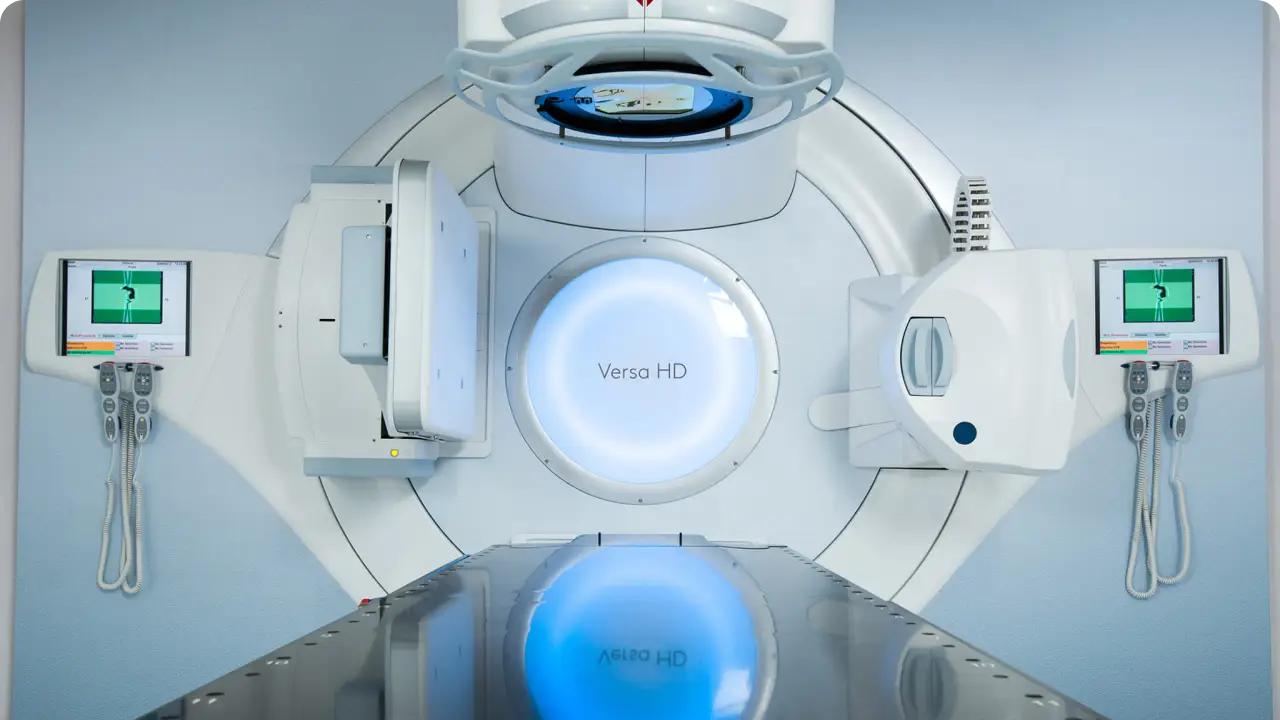
Low-dose radiotherapy (LDRT) is a treatment that uses small doses of radiation to help reduce pain and inflammation associated with osteoarthritis.
It can help people with persistent knee osteoarthritis symptoms who have not experienced sufficient relief from treatments such as physiotherapy, exercise and pain medication.
Low-dose radiotherapy is primarily used to treat pain associated with osteoarthritis, rather than the fluid build-up itself. However, reducing inflammation also helps some patients with associated swelling.
Research has reported encouraging results. For example, a retrospective study involving 970 patients found that approximately two-thirds of treated joints experienced pain relief. Low-dose radiotherapy is not routinely available on the NHS for osteoarthritis, and its suitability depends on the individual patient’s symptoms, medical history and previous treatments. You can find out more about low-dose radiotherapy for knee osteoarthritis and why radiotherapy is used to treat osteoarthritis.
For people with severe osteoarthritis that significantly affects everyday activities, knee replacement surgery may also be considered.
If you have been diagnosed with knee osteoarthritis and continue to experience pain or swelling despite treatment, you can contact the Joint Pain Practice team to discuss your options.
How Long Does Water on the Knee Take to Go Away?
How quickly knee swelling improves depends on the underlying cause. Mild swelling following a minor injury may settle within a few days, while more significant injuries can take several weeks or months to recover.
For example, most mild sprains and strains improve within around two weeks, although more severe injuries may take considerably longer.
Swelling caused by gout or pseudogout may improve over several days or weeks with appropriate treatment. In people with osteoarthritis or inflammatory arthritis, swelling may come and go over a longer period.
Why Does Water on the Knee Keep Coming Back?
If your knee repeatedly becomes swollen, it may mean that the underlying problem is still present.
Possible causes include osteoarthritis, a meniscus injury, gout or another inflammatory joint condition. Swelling may also return if you increase your activity before your knee has fully recovered from an injury.
To reduce the risk of further swelling, gradually increase your activity as your symptoms improve. If your knee becomes more painful or swollen after exercise, reduce the intensity and allow more time for recovery.
Repeated swelling should be assessed by a healthcare professional to identify the cause and recommend appropriate treatment.
How to Get Your Knee Assessed in the UK
If your knee remains swollen or the swelling keeps returning, your GP is a good starting point. They can examine your knee, arrange investigations if necessary and refer you to a specialist. In many areas, you can also refer yourself directly to an NHS musculoskeletal physiotherapy service. If you are unsure how urgently you need to be seen, NHS 111 can provide advice.
You can also arrange a private assessment with a physiotherapist or specialist doctor. If you have private medical insurance, check whether your policy requires a GP referral before booking.
Preparing for Your Appointment
Before your appointment, it can help to make a note of:
- When the swelling first appeared and whether it developed suddenly or gradually.
- Whether you had an injury or changed your activity levels beforehand.
- Any pain, stiffness, warmth or difficulty moving your knee.
- Whether the swelling comes and goes, and what seems to make it better or worse.
- Any medications you take, particularly blood thinners.
Can You Prevent Water on the Knee from Returning?
Not all causes of knee swelling can be prevented, but there are steps you can take to help protect your knees.
Regular exercise and strengthening the muscles around your knees and hips can improve joint support. Maintaining a healthy weight, where appropriate, can also reduce the strain on your knees.
If you regularly kneel for work or hobbies, using kneepads may help prevent bursitis.
Most importantly, if your knee swelling keeps returning, seek medical advice to identify and treat the underlying cause.
In brief:
- Water on the knee (knee effusion) means that excess fluid has collected inside the knee joint. It can have several causes, including injury, osteoarthritis and inflammation. Treatment depends on the underlying cause.
- Mild swelling after a minor injury can often be managed at home with rest, ice, compression and elevation. If the swelling does not improve after a few days, seek medical advice.
- A hot, swollen and very painful knee requires urgent medical assessment, particularly if you also have a fever or feel unwell. This could indicate a joint infection.
- Rapid swelling following an injury may indicate bleeding inside the joint or a significant knee injury and should be assessed promptly.
- Swelling that keeps returning may be a sign of an underlying condition, such as osteoarthritis or a meniscus injury, and should be investigated.
Frequently Asked Questions
How Long Does Water on the Knee Take to Go Away?
Recovery depends on what is causing the swelling. Mild swelling after a minor injury may improve within a few days, although some injuries take several weeks to heal. Swelling caused by osteoarthritis or other inflammatory conditions may come and go over time. If your knee is not improving after a few days of home care, seek medical advice.
Is Walking Good for a Swollen Knee?
Gentle walking can help maintain movement and prevent stiffness, provided it does not make your symptoms worse. If your knee is swollen following an injury, you may need to reduce your activity for the first few days. Avoid walking long distances until the swelling improves. If you cannot put weight on your leg, seek urgent medical advice.
Should I Use Heat or Ice on a Swollen Knee?
If your knee becomes swollen after an injury, applying an ice pack wrapped in a towel for 15–20 minutes at a time may help reduce pain and swelling. Once the initial swelling has settled, gentle warmth may help relieve stiffness. Avoid applying heat to a knee that is already hot, red or acutely swollen.
Is a Swollen Knee Serious?
Not always. Mild swelling can occur after exercise or a minor injury and may settle with rest and simple home treatment. However, a hot, swollen and very painful knee could indicate a joint infection, particularly if you also have a fever or feel unwell. This requires urgent medical assessment, even if you do not have a fever. Significant swelling following an injury should also be assessed promptly.
Why Does My Knee Keep Swelling Up and Going Down?
Repeated knee swelling usually suggests an underlying problem that has not fully resolved. Common causes include osteoarthritis, a meniscus injury, gout or another inflammatory joint condition. A healthcare professional can examine your knee and arrange investigations if necessary to identify the cause.
Does Water on the Knee Mean I Have Arthritis?
No. Although osteoarthritis and inflammatory arthritis can cause fluid to build up inside the knee, there are several other possible causes. These include injuries, gout, pseudogout and joint infections. Bursitis can also cause swelling around the knee. Your symptoms, medical history and examination findings can help determine the cause.
If you have been diagnosed with knee osteoarthritis and continue to experience pain or recurring swelling, you can contact the Joint Pain Practice team to discuss your symptoms and available treatment options.