Led by Dr. Richard Shaffer, who underwent extensive training in Germany, where over 100,000 patients benefit annually from similar radiation therapy treatments, we are delighted to bring this cutting-edge approach to pain management to the UK. The versatility of this approach allows us to provide relief for patients dealing with discomfort and limited mobility due to osteoarthritis in many joints.
Schedule an appointment today and discover a new innovative approach to pain management that could transform your quality of life. Your path to relief starts here!
This revolutionary treatment is specifically designed to address osteoarthritis in the following areas of the body:
- Hand osteoarthritis, where patients often experience aching joints in the hands, wrists, and fingers.
- Knee joint osteoarthritis, offering a cure for knee joint pain.
- Hip osteoarthritis, providing effective relief from the pain associated with arthritic hip joint pain.
- Shoulder and elbow osteoarthritis, addressing the challenges posed by painful degenerative joint diseases (DJD).
- Foot and ankle osteoarthritis, including conditions like hallux limitus and hallux rigidus. Having seen the pain-relieving effects of low-dose radiation therapy treatment for patients, we are committed to sharing insights and information about this revolutionary treatment. In the coming months, a series of blog posts will address common questions and concerns surrounding this innovative service:
- Does it work, and how well?
- Is it safe, and what are the potential side effects? Does it pose a risk of cancer?
- Which patients can benefit from this treatment? … and more! Stay tuned for further informative posts, and if you or someone you know is struggling with chronic pain, don’t hesitate to reach out.
What are the Side Effects of Radiotherapy for Hand, Fingertips and Wrist Arthritis?
The side effects of low dose radiotherapy for wrist and hands arthritis tend to be very mild. These can include:
Skin Reactions:
You may get a bit of redness, dryness, or irritation in the treated area of the hand and wrist. Typically, these effects disappear a couple of weeks after finishing the treatment.
Tiredness:
Sometimes people feel a bit tired during or after the treatment. However, this tends to settle down once the treatment has finished and energy levels usually improve quickly after that.
What can I expect from my initial visit?
Consider having low-dose radiotherapy if you have ongoing joint pain from osteoarthritis. If the usual treatments like medicine, exercises, and lifestyle changes aren’t making the pain better enough, or if your symptoms are getting worse, radiotherapy could be a good option. Also, if you can’t or don’t want to have surgery because of health reasons or personal choice, looking into radiotherapy might be another way to handle osteoarthritis symptoms. The goal is to give you targeted relief, to make your joints work better and to improve how you feel overall.
What is your payment policy and fees for service?
Low dose radiotherapy is a safe, effective, and non-invasive treatment option. If you’re experiencing pain or other issues due to a medical condition, it’s vital to have a thorough discussion with your doctor so that you can make an informed decision that considers your individual needs and preferences.
Do I still need a primary care provider?
Yes, low-dose radiotherapy for osteoarthritis pain is very safe. The careful use of controlled, small amounts of radiation ensures it’s a safe and effective way to deal with joint issues. You don’t have to go through surgery or get injections, and it’s done in a clinic, so you can keep up with your regular activities. The goal is to keep side effects to a minimum, and they’re usually mild and temporary, like a bit of redness or dry skin. Before you start, our team will discuss your situation to make sure you get the treatment that is right for you. They’ll also keep an eye on you during the process to manage any issues that may sometimes pop up.
Will my insurance cover my visits?
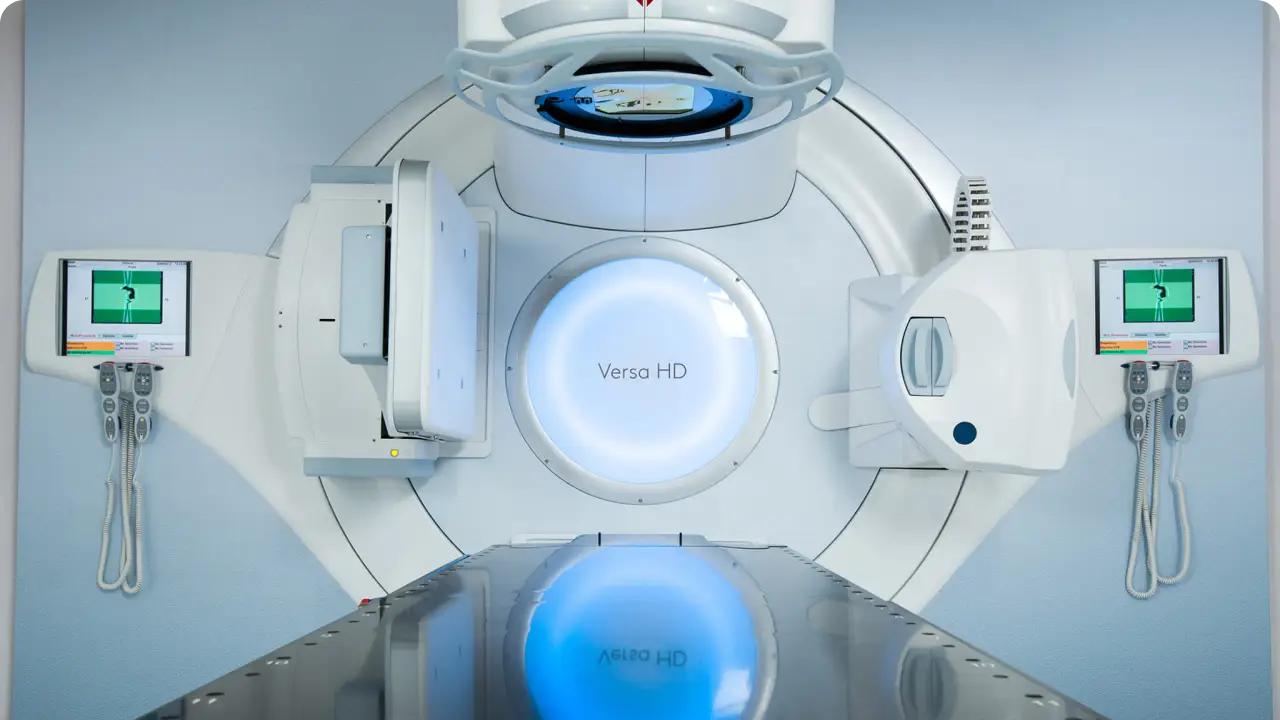
Radiotherapy isn’t limited to cancer treatment; it’s also effective for certain non-cancerous conditions. For conditions involving tissue overgrowth, using approximately half the dose used for cancer treatment can effectively halt their growth. We can also use very low doses of radiotherapy because it reduces inflammation and relieves pain.