
Recognise the key signs of knee osteoarthritis, understand what causes them, and discover the treatment options available to you in the UK.
Recognise the key signs of knee osteoarthritis, understand what causes them, and discover the treatment options available to you in the UK.

Radiotherapy Specialist
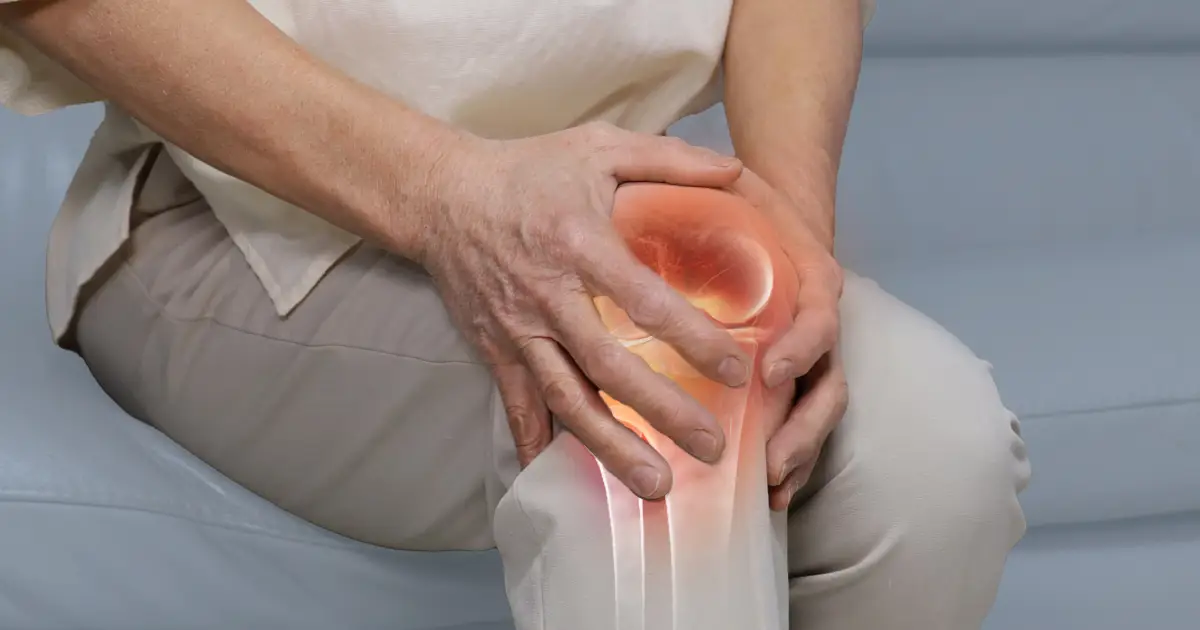
The key signs of knee osteoarthritis often appear gradually, so many people put them down to normal ageing, a pulled muscle, or simply being less active than they used to be.
The knee is one of the largest and hardest-working joints in the body. It absorbs substantial force every time you walk, climb stairs or get up from a chair. When the structures within the joint begin to change, the result can be pain, stiffness and a gradual loss of mobility.
Catching those signs early matters. The sooner the joint is assessed, the more options tend to be available, and the better the chance of maintaining comfort and function over the long term.
This article explains what knee osteoarthritis is, the symptoms to watch for, who tends to develop it, how it is diagnosed, and the treatments that may help.
Knee osteoarthritis is the most common form of arthritis affecting the knee joint¹. It develops when the structures within the joint gradually change over time, leading to pain, stiffness and difficulty with everyday activities such as walking, climbing stairs or getting up from a chair.
In a healthy knee, the ends of the bones are covered by a smooth layer of cartilage. This cartilage acts as a shock absorber and, together with the joint fluid, allows the knee to move smoothly and comfortably. In osteoarthritis, the cartilage becomes thinner, and the joint can become inflamed. The bone, ligaments and other tissues around the joint may also change, contributing to pain and stiffness.
Many people think osteoarthritis is simply an inevitable part of getting older. Age does increase the risk, but osteoarthritis is a medical condition rather than a normal consequence of ageing. Factors such as previous injuries, excess weight, genetics, occupation and activity levels can all play a role in its development.
That distinction is important. If osteoarthritis were simply “wear and tear”, there would be little that could be done about it. In reality, there are many ways to manage symptoms, improve function and help people stay active, ranging from exercise and weight management through to medicines, injections, radiotherapy and, in some cases, surgery.
The goal is not simply to live with the pain. It is to find the approach that best fits your particular situation.
Knee osteoarthritis usually develops gradually. Symptoms often come and go at first, then become more noticeable over months or years. Some people experience only occasional discomfort, while others find that pain and stiffness begin to affect daily activities.
Pain is usually the symptom that brings people to seek help. It often appears when putting weight through the knee, particularly during activities such as walking longer distances, climbing stairs or going downhill.
Many people describe an aching pain that eases with rest and then returns when they become active again. Early on, symptoms may only occur after a particularly busy day. As the condition progresses, smaller amounts of activity can trigger discomfort.
A stiff knee when you first get out of bed is a common symptom of osteoarthritis. The stiffness usually improves once you start moving around and is often gone within 30 minutes².
Many people also notice stiffness after sitting for a while, such as during a long car journey or an evening in front of the television. The knee can feel reluctant to move at first before gradually loosening up.
The knee may become swollen, particularly after periods of increased activity. Some people notice the joint feels puffy or tight, while others find it is tender when pressed around the joint line.
Swelling often fluctuates. The knee may feel relatively comfortable on some days and noticeably more swollen on others, depending on activity levels and inflammation within the joint.
Many people notice grinding, crunching or clicking when they bend or straighten the knee. Doctors refer to this as crepitus.
Although these sensations can feel concerning, they are not always a sign of damage. Many people without significant arthritis experience occasional clicking. It becomes more relevant when it occurs alongside pain, stiffness or swelling.
As osteoarthritis develops, the knee can gradually lose some of its normal range of movement. Bending down, squatting, kneeling or getting out of a low chair may become more difficult.
Some people find they cannot fully straighten the knee, while others notice that activities they previously took for granted require more effort than before.
Knee osteoarthritis can sometimes affect sleep. Pain may become more noticeable once the distractions of the day have gone, or it may wake people when they turn over in bed.
Poor sleep can then make it harder to cope with pain the following day, creating a cycle of discomfort, tiredness and reduced activity.
Some people describe a sensation that the knee is unreliable or might suddenly buckle beneath them. This can happen because pain causes the muscles around the joint to weaken or become less effective at supporting the knee.
A knee that regularly gives way should not be ignored, particularly if it increases the risk of falls.
One of the frustrating aspects of knee osteoarthritis is that symptoms vary considerably from person to person. Some people have significant changes on X-rays but relatively little pain. Others have troublesome symptoms despite more modest findings on scans.
The important point is not what an X-ray looks like, but how much the knee is affecting your day-to-day life. If pain, stiffness or loss of function are limiting the things you need or want to do, it is worth seeking advice about the options available.
Knee osteoarthritis becomes more common as we get older, but it is not something that only affects older people.
Previous injuries are one of the biggest risk factors. Someone who tore a ligament playing football in their twenties may develop osteoarthritis years or even decades later. Carrying excess body weight also increases the load passing through the knee with every step, which can place additional stress on the joint over time.
Women develop osteoarthritis more often than men, particularly after the menopause. Genetics also plays a role, which is why the condition often runs in families.
Certain occupations can increase the risk, too. Jobs that involve repeated kneeling, squatting, climbing or heavy lifting place greater demands on the knee over many years.
Having one or more of these risk factors does not mean you will definitely develop osteoarthritis. Equally, some people develop it without any obvious explanation. Most often, it reflects a combination of factors rather than a single cause.
In many cases, the diagnosis can be made from the history and examination alone.
Your GP or specialist will ask about your symptoms, when they occur and how much they affect your daily life. They will examine the knee, looking for swelling, tenderness, loss of movement and signs of instability.
For someone over the age of 45 with activity-related knee pain and brief morning stiffness, osteoarthritis is often the most likely diagnosis³. In that situation, scans or blood tests are not always necessary.
Sometimes an X-ray is helpful. It can show changes within the joint and give an idea of how advanced the arthritis has become. Blood tests may be arranged if there is concern about other types of arthritis, such as rheumatoid arthritis.
The important point is that treatment decisions are based on more than an X-ray. Some people have significant arthritic changes but relatively little pain, while others have troublesome symptoms despite more modest findings on imaging.
The earliest symptoms are often pain during activities such as walking, climbing stairs or getting up from a chair, together with stiffness after rest. Many people also notice that the knee feels less reliable than it used to or takes longer to loosen up in the morning.
Osteoarthritis does not usually go away by itself, but symptoms can vary over time. Many people experience periods where the knee feels relatively comfortable and other times when symptoms flare up. The good news is that there are many ways to reduce pain and improve function.
For most people, walking is beneficial. Regular movement helps maintain muscle strength, joint mobility and general fitness. The key is finding an amount of activity that is manageable and increasing it gradually rather than pushing through severe pain.
Night pain can occur when inflammation within the joint remains active even after you stop moving around. It can also become more noticeable simply because there are fewer distractions when you are trying to sleep.
Osteoarthritis affects the structures of the joint itself and tends to cause pain that worsens with activity. Rheumatoid arthritis is an autoimmune condition in which the immune system attacks the lining of the joints.
Low-dose radiotherapy is usually considered when symptoms remain troublesome despite exercise, physiotherapy and weight management. It sits in the middle ground between conservative treatments and surgery.
Many people worry that a diagnosis of osteoarthritis means they are on an inevitable path towards a knee replacement.
In reality, there is often a large middle ground between doing nothing and having surgery.
The right treatment depends on your symptoms, your goals and how much the knee is affecting your life.
Exercise is one of the most effective treatments available for knee osteoarthritis⁴.
That can sound surprising when movement hurts, but stronger muscles help support the joint and reduce the forces passing through it. Exercise also improves confidence, balance and overall fitness.
Walking, cycling, swimming and structured strengthening programmes can all be helpful. A physiotherapist can guide you towards the type and intensity of exercise most appropriate for your situation.
If you are carrying excess weight, even a modest reduction can make a meaningful difference⁵. The knee experiences forces several times its body weight with every step. Reducing body weight, therefore, reduces the load passing through the joint thousands of times each day. Weight loss is not a cure, but for some people it can significantly improve pain and function.
Simple painkillers and anti-inflammatory medicines can help control symptoms, particularly during flare-ups.
Many people start with topical anti-inflammatory gels, which can be applied directly to the knee and often cause fewer side effects than tablets.
Steroid injections can reduce inflammation within the joint and provide temporary pain relief.
Some people experience several months of improvement, while others notice less benefit.
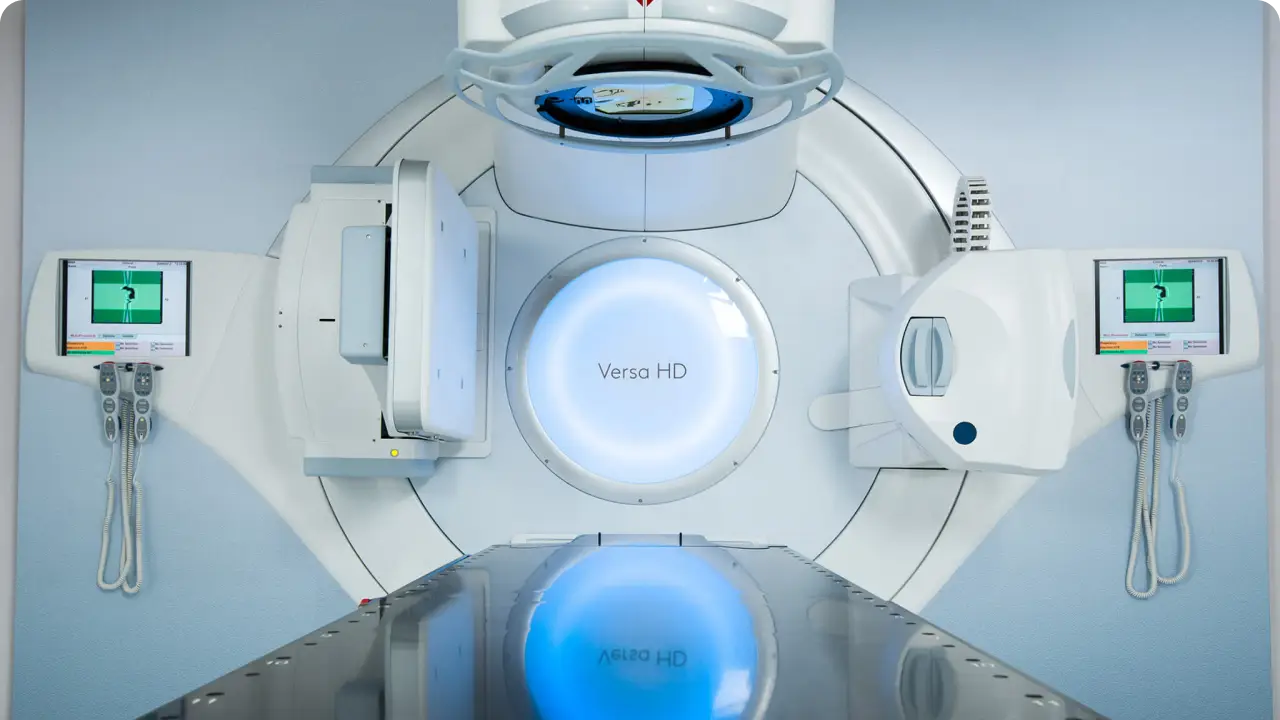
Low-dose radiotherapy is a non-surgical treatment that uses very small doses of radiation to reduce inflammation within the joint⁶.
The treatment is completely different from the high-dose radiotherapy used to treat cancer. Treatment is delivered over six short sessions, and most people continue their normal activities throughout.
It is often considered when symptoms persist despite exercise, weight management and physiotherapy, but before someone feels ready for knee replacement surgery.
For many patients, the aim is not necessarily to avoid surgery forever. It is to reduce pain, improve function and delay or potentially avoid the need for surgery if possible.
For severe osteoarthritis, knee replacement surgery can be very effective. The operation removes the damaged joint surfaces and replaces them with an artificial joint. Many people achieve substantial pain relief and improved function afterwards.
However, it is a major surgery and requires a period of rehabilitation. Also, around one in five people still have pain and stiffness despite the operation⁷. For those reasons, most people prefer to explore less invasive options first.
If knee pain or stiffness has been affecting your daily life for more than a few weeks, it is worth seeking advice.
You should particularly consider an assessment if pain is disturbing your sleep, limiting your ability to walk, climb stairs or exercise, or causing the knee to feel unstable.
The earlier you understand what is causing the problem, the more options are usually available.
Getting a proper assessment can help you understand where you are on the spectrum of osteoarthritis, what treatments are most likely to help, and whether options such as physiotherapy, injections or low-dose radiotherapy are worth considering in your particular situation.
If knee pain is starting to affect your daily activities, getting a proper assessment can help you understand what is driving the symptoms and what options are available. Dr Richard Shaffer and the team at Joint Pain Practice see patients with knee osteoarthritis at clinics across the UK and can provide clear advice about the most appropriate next steps for your particular situation.
All references are numbered in the article body and linked below.
¹ NHS. Osteoarthritis overview. Reviewed March 2023.
² NHS. Osteoarthritis: symptoms and causes. Reviewed March 2023.
³ National Institute for Health and Care Excellence (NICE). Osteoarthritis in over 16s: diagnosis and management. NICE guideline NG226. October 2022.
⁴ NHS. Osteoarthritis: treatment options. Reviewed March 2023.
⁵ Bannuru RR et al. OARSI guidelines for the non-surgical management of knee, hip, and polyarticular osteoarthritis. Osteoarthritis and Cartilage. 2019;27(11):1578–1589.
⁶ Niewald M et al. ArthroRad trial: multicentric prospective randomised trial on low-dose radiotherapy for painful osteoarthritis. Strahlenther Onkol. 2022;198(4):370–377.
⁷ Beswick AD et al. What proportion of patients report long-term pain after total hip or knee replacement for osteoarthritis? A systematic review of prospective studies in unselected patients. BMJ Open. 2012;2(1):e000435.


Don’t let joint pain hold you back from the activities you love any longer. Book a consultation with Dr. Richard today to receive a personalized assessment and start your journey toward a more active life.
We’re thrilled to share some groundbreaking news for those seeking innovative solutions to chronic pain! Our practice will be offering a unique treatment: low-dose radiotherapy …

Please click on the video below to view a replay of our live video from Dr Richard Shaffer about how Low-Dose Radiotherapy can be used …

Radiotherapy is an effective, low-dose treatment for osteoarthritis pain, helping around 75% of patients who have not found relief with exercise, weight loss, or medications. …

