People often think one condition will lead to the other, or that they both develop from the same underlying process. Understanding the difference is important because the management strategies for each condition are different. Getting the right diagnosis is important if you are concerned about joint or bone health. An early diagnosis helps you access the right support and can slow down progression of the disease.
The Main Differences: Osteoarthritis vs Osteoporosis
Here are some important differences between osteoarthritis and osteoporosis:
- What they affect: Osteoarthritis affects the joints, where the protective cartilage covering the ends of the bones gradually breaks down. Osteoporosis affects the bones themselves, making them weaker and more likely to break.
- Symptoms: Osteoarthritis can cause joint pain and stiffness, often made worse by activity and improved by rest. Osteoporosis usually causes no symptoms unless a bone fractures.
- Diagnosis: Osteoarthritis is usually diagnosed through symptoms and examination, sometimes supported by X-rays showing changes in the joints. Osteoporosis is diagnosed using a bone density scan (DEXA scan), which measures how strong the bones are likely to be.
- Who is affected: Both conditions become more common with age. Osteoporosis is particularly common in women after menopause, although men can also develop it.
- Treatment: Osteoarthritis treatment focuses on reducing pain and maintaining movement through exercise, medication and other treatments. Osteoporosis treatment aims to strengthen bones and reduce the risk of fractures through exercise, nutrition and medication.
- Having both conditions: It is possible to have osteoarthritis and osteoporosis at the same time. Treatment may need to be adjusted to manage joint pain while protecting weaker bones.
What is Osteoarthritis?
Osteoarthritis is a degenerative joint disease in which the protective cartilage covering the ends of the bones gradually breaks down, leading to pain and stiffness. Unlike osteoporosis, which weakens bones throughout the body, osteoarthritis affects individual joints.
To understand how osteoarthritis causes pain, it helps to understand the role of cartilage. Cartilage acts as a protective cushion between bones, allowing smooth movement and absorbing impact, much like a shock absorber. As this cartilage breaks down, the joint becomes less well protected, which can contribute to pain, inflammation and stiffness. These changes usually develop slowly, sometimes over many years before noticeable symptoms appear.
Osteoarthritis can affect any joint, but is most common in the knees, hips, hands and feet. Around 8.75 million people in the UK have seen a doctor about osteoarthritis. The condition is more common in women, with a prevalence of 12.8% compared with 8.6% in men.
Symptoms usually develop gradually. They include joint pain that worsens with activity, morning stiffness lasting 30 minutes or less, reduced movement, and grinding or clicking sensations in the affected joint. Some people also experience swelling. Regular physical activity and early treatment can help manage symptoms and maintain joint function, improving quality of life.
What is Osteoporosis?
Osteoporosis is a condition in which bones gradually become weaker and more fragile, making them more likely to break. Unlike osteoarthritis, which affects individual joints, osteoporosis affects bones throughout the skeleton.
To understand how osteoporosis develops, it helps to know that bones are constantly being renewed, with old bone being broken down and replaced by new bone. In osteoporosis, more bone is lost than is replaced. Over time, the internal structure of the bones becomes less dense and more fragile. This increases the risk of fractures, sometimes following a minor fall or even during everyday activities. Although any bone can be affected, fractures are particularly common in the hip, wrist and spine.
Osteoporosis is common, particularly in older women. In the UK, around 21.9% of women aged 50 and over have osteoporosis. Women are around four times more likely to develop the condition than men, particularly after menopause, when falling oestrogen levels accelerate bone loss.
Osteoporosis usually develops without any noticeable symptoms, and many people are unaware they have it until they experience a fracture. This makes identifying people at increased risk particularly important. Risk factors include increasing age, hormonal changes, family history, low calcium or vitamin D intake, physical inactivity, smoking and excessive alcohol consumption. Lifestyle changes and early treatment can help maintain bone strength and reduce the risk of fractures.
Key Differences: Osteoarthritis vs Osteoporosis
Causes and What They Affect
Osteoarthritis develops when the cartilage and other structures within a joint gradually change and become damaged. Ageing, excess weight, previous joint injuries and the way a joint is aligned can all increase the risk. It mainly affects individual joints, particularly the knees, hips and hands.
Osteoporosis develops when the body loses bone faster than it can replace it. This makes bones weaker and more likely to break. Hormonal changes, particularly after menopause, low calcium or vitamin D levels and a lack of exercise can all contribute. Unlike osteoarthritis, osteoporosis affects bones throughout the body.
Symptoms and Diagnosis
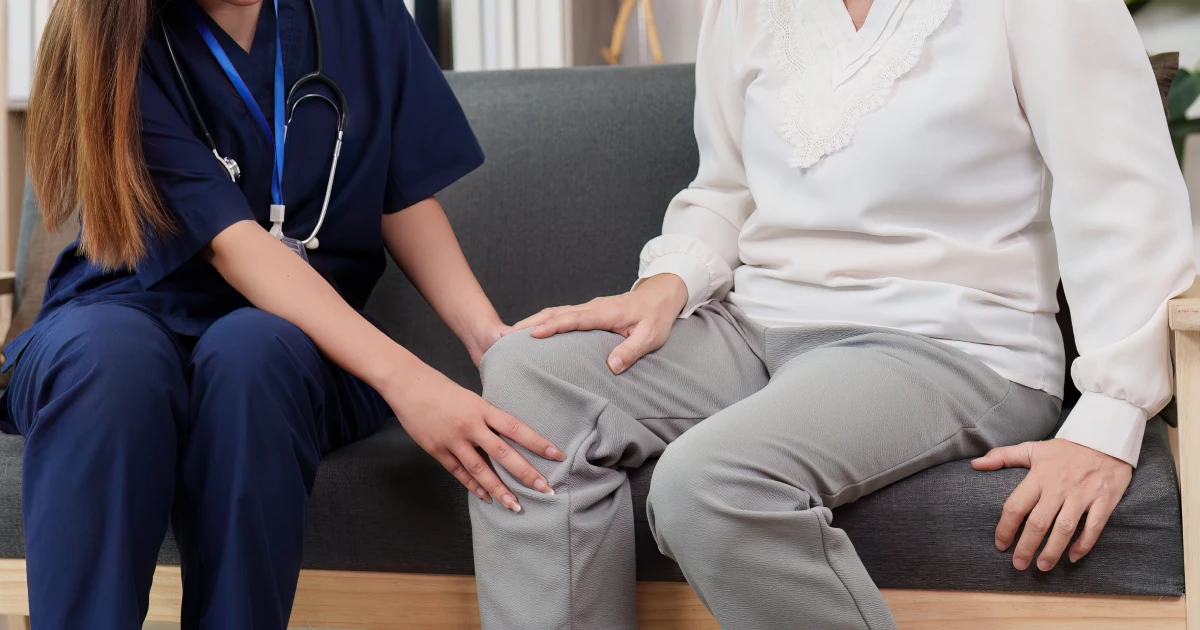
Osteoarthritis commonly causes joint pain, stiffness and reduced movement. Pain is often worse during or after activity and may improve with rest. Doctors usually diagnose osteoarthritis by asking about symptoms and examining the affected joints. X-rays may be used to look for changes such as narrowing of the joint space or extra bone growth, known as bone spurs. MRI scans are occasionally needed to investigate other possible causes of pain.
Osteoporosis usually causes no symptoms until a bone breaks, which is why it is sometimes called a “silent disease”. It can be diagnosed using a DEXA scan, a type of X-ray that measures bone density.
The scan produces a result called a T-score. In postmenopausal women and men aged 50 or over, a T-score of -2.5 or lower indicates osteoporosis. A score between -1.0 and -2.5 indicates low bone density, sometimes called osteopenia.
Doctors may also use a tool called FRAX, which considers factors such as age, previous fractures and bone density, if available, to estimate the risk of breaking a bone over the next 10 years. This helps guide decisions about treatment.
Who Is More Likely to Be Affected?
Both conditions become more common with age and affect women more frequently than men.
Osteoarthritis is particularly common in women over 50, although men can also develop it. Osteoporosis shows an even greater difference between men and women because falling oestrogen levels after menopause can speed up bone loss.
In the UK, approximately 21.9% of women aged 50 and over have osteoporosis, compared with 6.7% of men.
Treatment Approaches
Osteoarthritis and osteoporosis need different treatments. Osteoarthritis treatment mainly focuses on reducing pain and improving movement, while osteoporosis treatment aims to strengthen bones and prevent fractures. However, exercise, a healthy diet and other lifestyle changes can benefit people with either condition.
Osteoarthritis Treatment
Treatment focuses on relieving pain, improving mobility and helping people continue their everyday activities.
Regular exercise is one of the most important treatments. Strengthening the muscles around affected joints can improve stability and reduce pain. Walking, swimming, cycling and strengthening exercises can all be helpful, depending on which joints are affected.
Maintaining a healthy weight can also reduce pressure on the knees, hips and other weight-bearing joints. Applying heat may ease stiffness, while cold packs can help relieve pain and swelling.
Medication may be needed when these measures are insufficient. Anti-inflammatory medicines, such as ibuprofen, can help reduce pain. Anti-inflammatory gels are often preferred initially because they have fewer side effects than tablets. Paracetamol may help some people, although it is generally less effective for osteoarthritis pain.
For more troublesome symptoms, corticosteroid injections into the affected joint can sometimes provide temporary relief. Other treatments, including surgery, may be considered when pain and reduced mobility significantly affect everyday life.
NHS guidance recommends starting with exercise, weight management where appropriate and other non-surgical treatments before considering more invasive options.
Low-Dose Radiotherapy for Osteoarthritis
For people whose symptoms have not improved sufficiently with conventional treatments, low-dose radiotherapy may be another option.
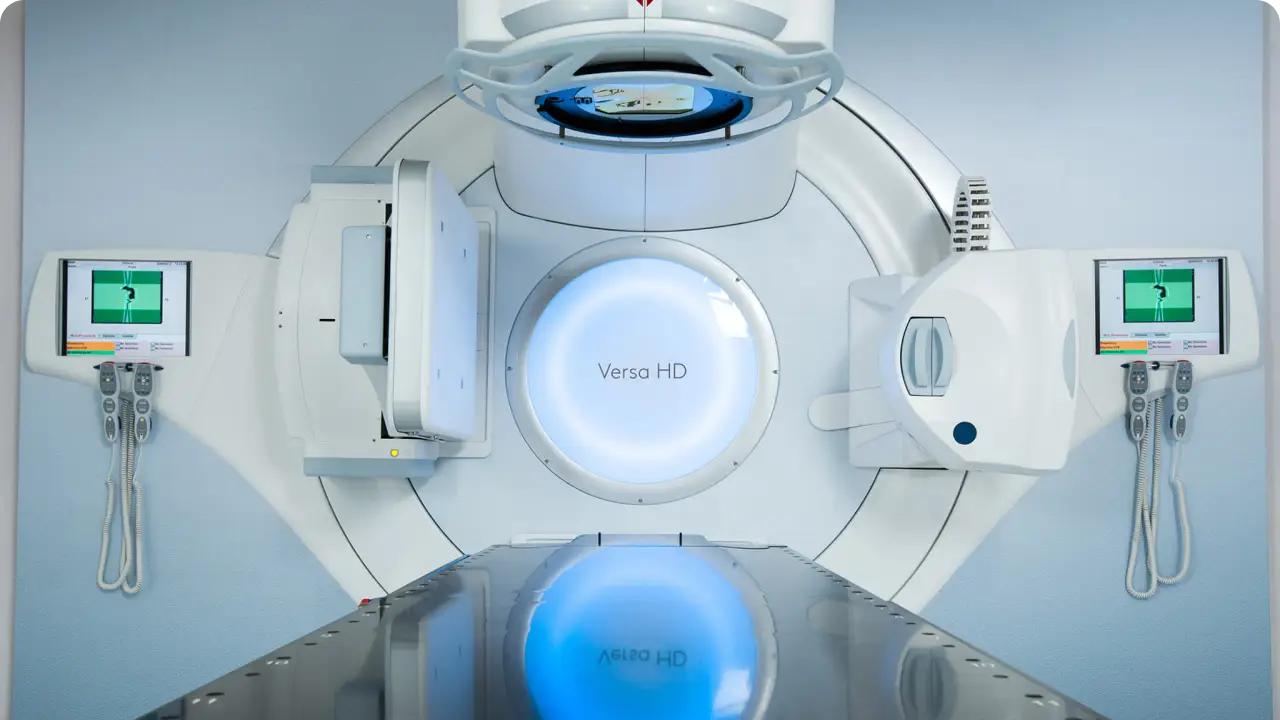
This treatment uses much lower doses of radiation than those used to treat cancer. Radiation is directed precisely at the affected joint, with the aim of reducing inflammation and relieving pain.
Treatment sessions are brief, painless and non-invasive. Any improvement in pain usually develops gradually over several weeks or months.
Low-dose radiotherapy may be helpful for some patients who continue to experience pain despite other treatments, particularly those wishing to avoid or delay surgery. However, it is not routinely offered for osteoarthritis within the NHS.
Joint Pain Practice specialises in low-dose radiotherapy for osteoarthritis affecting the knees, hips, hands, feet, and other joints. Treatment is planned around each patient’s symptoms and the joints affected.
All treatment is delivered on an outpatient basis, allowing patients to return home the same day and continue most normal activities.
Contact the Joint Pain Practice team to find out whether low-dose radiotherapy might be suitable for you.
Osteoporosis Treatment
Osteoporosis treatment aims to strengthen bones and reduce the risk of fractures.
Getting enough calcium and vitamin D is important for maintaining healthy bones. Calcium-rich foods include milk, cheese, yoghurt, leafy green vegetables and fortified foods. Some people may also need supplements, depending on their diet and individual circumstances.
Regular weight-bearing exercise, such as walking or dancing, helps maintain bone strength. Resistance exercises, including lifting weights, can also strengthen muscles and bones. Balance exercises are particularly useful for older adults because they help reduce the risk of falls.
Medication may be recommended for people at increased risk of fractures.
Bisphosphonates, such as alendronate or risedronate, are commonly prescribed to slow bone loss and reduce fracture risk. Other medicines, including denosumab, may be recommended depending on the patient’s circumstances.
Stopping smoking and limiting alcohol consumption can also help protect bone health.
Having Both Conditions
It is possible to have osteoarthritis and osteoporosis at the same time, particularly as both become more common with age. However, having one condition does not necessarily mean you will develop the other.
When both conditions are present, treatment needs to address joint pain while also protecting the bones from fractures.
Exercise is particularly important, although activities may need to be adapted to avoid worsening joint pain or increasing the risk of falls and fractures. Strengthening exercises, gentle weight-bearing activities and balance training can all be helpful.
Medication may also need to be reviewed carefully. Anti-inflammatory medicines used for osteoarthritis can cause side effects, particularly with long-term use, while osteoporosis may require separate medication to reduce fracture risk.
With the right combination of treatments, many people can manage their joint symptoms, maintain their mobility and reduce their risk of fractures.
Next Steps
If you have ongoing joint pain, swelling or stiffness, speak to your GP or a specialist to find out what may be causing your symptoms. If you are at increased risk of osteoporosis, for example because of your age, family history, previous fractures or long-term steroid use, ask your doctor whether you need a bone density scan. Early diagnosis and appropriate treatment can help manage symptoms, maintain mobility and reduce the risk of fractures.
If you have osteoarthritis and your pain has not improved sufficiently with conventional treatments, low-dose radiotherapy may be an option worth considering.
At Joint Pain Practice, we can assess your condition, explain the available treatments and help you decide whether low-dose radiotherapy might be suitable for you. Contact our team to discuss your options.
Frequently Asked Questions
What is the main difference between osteoarthritis and osteoporosis?
Osteoarthritis affects the joints, causing pain, stiffness and difficulty moving as the cartilage and other joint structures gradually change. Osteoporosis affects the bones themselves, making them weaker and more likely to break. Osteoarthritis commonly causes pain, while osteoporosis usually causes no symptoms unless a fracture occurs.
Can osteoarthritis turn into osteoporosis?
No. Osteoarthritis and osteoporosis are separate conditions, and one cannot turn into the other. However, it is possible to have both, particularly as they become more common with age. Having osteoarthritis does not necessarily increase your risk of developing osteoporosis.
Are osteoarthritis and osteoporosis diagnosed differently?
Yes. Osteoarthritis is usually diagnosed by asking about symptoms and examining the affected joints. X-rays or other scans (e.g. MRI) may sometimes be needed to confirm changes in the joint or rule out other conditions.
Osteoporosis is usually diagnosed using a DEXA scan, which measures bone density. Doctors may also assess your risk of fractures using factors such as age, medical history and previous fractures.
Who is most at risk of osteoporosis?
Osteoporosis is more common in older people, particularly women after menopause. Falling oestrogen levels can cause bones to lose strength more quickly.
Other risk factors include a family history of osteoporosis, previous fractures, low body weight, smoking, excessive alcohol consumption and long-term use of certain medications, such as steroids.
Doctors may recommend a bone density scan if you have risk factors or are thought to be at increased risk of fractures.
Is the same exercise recommended for both conditions?
Many exercises can benefit both conditions, although the most suitable activities may differ.
For osteoarthritis, walking, swimming, cycling and strengthening exercises can help reduce pain and improve movement.
For osteoporosis, weight-bearing activities such as walking, along with resistance and balance exercises, can help maintain bone strength and reduce the risk of falls.
People with both conditions can usually benefit from a combination of these activities, adapted to their joint symptoms and fracture risk.
What role does vitamin D play?
Vitamin D helps the body absorb calcium, which is essential for maintaining strong bones. Getting enough vitamin D is particularly important for people with osteoporosis.
In the UK, the NHS recommends that adults consider taking a daily supplement containing 10 micrograms (400 IU) of vitamin D during autumn and winter. People with osteoporosis or vitamin D deficiency may need different doses, depending on their circumstances.
Vitamin D is important for general bone health, but it is not a specific treatment for osteoarthritis.