At a Glance
- Knee pain when bending can have several causes, including tendon problems, cartilage injuries and osteoarthritis.
- Where you feel the pain can provide useful clues about what is causing it.
- A hot, very swollen or genuinely locked knee may need urgent medical assessment.
- Many causes of knee pain improve with appropriate exercise, physiotherapy and other simple treatments.
- An X-ray or scan is not always needed to diagnose the cause of knee pain.
Why Does My Knee Hurt When I Bend It?
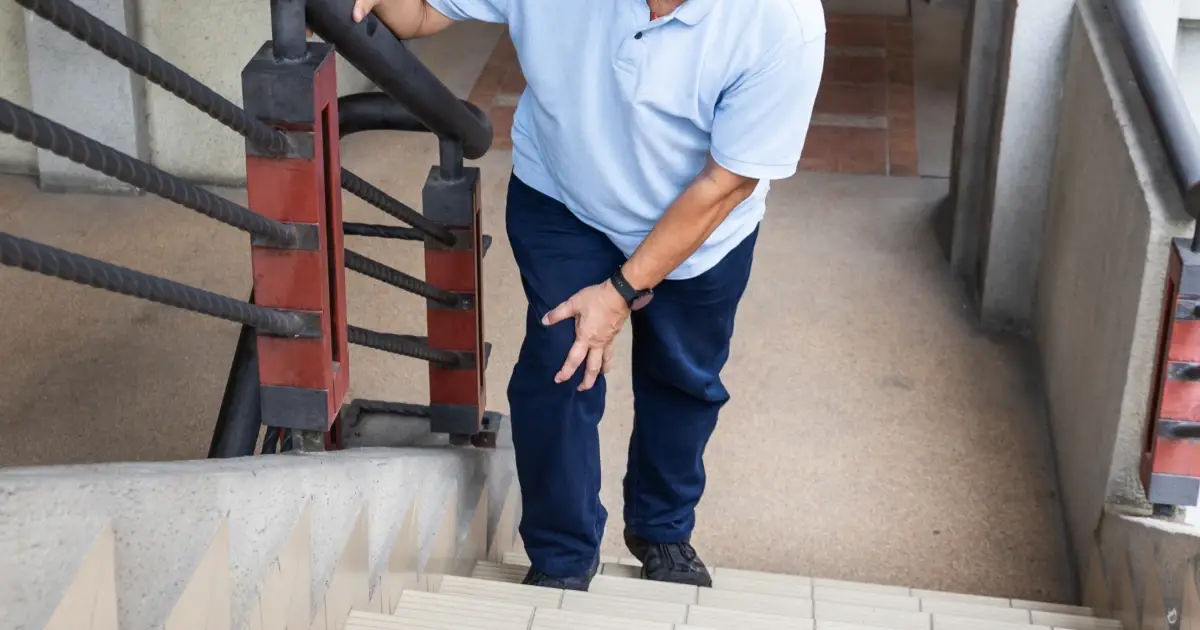
If your knee hurts when you climb stairs, get out of a chair or squat down, there are several possible explanations. Sometimes the pain is caused by a temporary strain or irritation and improves within a few weeks. Other conditions, such as knee osteoarthritis, may need longer-term treatment.
Your knee is made up of three bones: the thighbone (femur), shinbone (tibia) and kneecap (patella). Smooth cartilage covers the joint surfaces, while two horseshoe-shaped pieces of cartilage called the menisci help distribute weight and absorb shock.
When you bend your knee, the bones, cartilage, ligaments and tendons all move and bear different amounts of force. Activities such as climbing stairs and squatting place greater pressure on the joint behind the kneecap than walking on level ground.
Pain may come from different structures within or around the knee. The location of the pain, when it occurs and whether you have other symptoms, such as swelling or stiffness, can help identify the likely cause.
What Does the Location of Your Knee Pain Tell You?
Where you feel knee pain can provide useful clues about what might be causing it. However, different conditions can cause pain in the same area, so the location alone is not enough to make a diagnosis.
Pain at the Front of the Knee
Pain around or behind the kneecap is often caused by patellofemoral pain, sometimes called runner’s knee. It is particularly common in younger and physically active people.
The pain is usually a dull ache that becomes worse when climbing or descending stairs, squatting or sitting with your knees bent for long periods.
Another possible cause is prepatellar bursitis, which causes swelling directly over the kneecap. This is more common in people who spend a lot of time kneeling, such as gardeners and tradespeople.
Pain on the Inside or Outside of the Knee
Pain along the inner or outer side of the knee can have several causes.
A meniscus tear may occur following a twisting injury, although tears can also develop gradually as we get older. Symptoms may include pain when bending or twisting the knee, swelling, clicking or catching sensations.
A ligament injury is more likely if the pain started after a sudden sideways force or twisting injury. The knee may feel tender along one side and sometimes unstable.
Pain on the outside of the knee can also be caused by iliotibial band syndrome (IT band syndrome). This is particularly common in runners and cyclists and usually causes pain during repetitive bending and straightening of the knee.
Pain at the Back of the Knee
A Baker’s cyst is a fluid-filled swelling behind the knee. It can cause tightness, fullness or discomfort, particularly when bending or fully straightening the leg.
Baker’s cysts often develop alongside conditions such as osteoarthritis or meniscal tears, which can cause excess fluid to build up inside the knee joint.
Pain Throughout the Knee, with Stiffness
If your whole knee feels painful or stiff, particularly after resting, knee osteoarthritis may be a possible cause.
Osteoarthritis affects over 5 million people in the UK. It becomes more common with age and may cause pain during walking, climbing stairs, bending or getting up from a chair.
Osteoarthritis is particularly likely if you are over 45, have pain related to activity and experience morning stiffness lasting less than 30 minutes, or no morning stiffness at all.
You can read more in our guide to the key signs of knee osteoarthritis.
How Age and Activity Can Affect Knee Pain
Your age, daily activities and any recent changes to your routine can help identify why your knee hurts when you bend it.
- Children and teenagers: Pain and a tender lump just below the kneecap may be caused by Osgood-Schlatter disease, particularly during periods of rapid growth. In children, knee pain can sometimes come from a problem with the hip, especially if they are limping.
- Active adults: Starting a new running programme, increasing gym workouts or doing more squats than usual can place additional strain on the knee. This may lead to conditions such as patellofemoral pain or tendon irritation.
- Older adults: Osteoarthritis and age-related meniscal changes become more common with age. Symptoms may develop gradually, although they can sometimes worsen suddenly.
- People who kneel frequently: Jobs or activities involving repeated kneeling can irritate the tissues around the kneecap and increase the risk of bursitis.
- After knee surgery: Some pain, stiffness and swelling are expected during recovery. However, worsening pain, increasing redness or warmth, fever or discharge from the wound should prompt urgent contact with your surgical team.
If your knee pain started after a change in activity, consider whether you have recently increased the amount or intensity of exercise, started a new job or spent more time kneeling or squatting.
When Should You Seek Urgent Medical Help?
Most knee pain does not require emergency treatment. However, some symptoms may indicate a serious injury or infection.
Seek urgent medical assessment if:
- Your knee becomes suddenly very painful, hot or swollen, particularly if you also feel unwell or have a fever.
- Your knee is genuinely locked, meaning you cannot straighten it properly.
- You cannot put weight on your leg, particularly following an injury.
- Your knee looks visibly deformed after an injury.
- You develop worsening pain, redness, swelling or discharge from a wound following knee surgery.
A suddenly hot, swollen knee may be caused by gout or another inflammatory condition, but a joint infection must be ruled out promptly.
If your knee repeatedly gives way or remains swollen, arrange a medical assessment. These symptoms do not always indicate an emergency, but they should be investigated.
What Can Help Knee Pain in the First Two Weeks?
Many common causes of knee pain improve with simple measures, particularly when symptoms have developed gradually and there has been no significant injury.
Complete rest is rarely necessary. Reducing activities that make the pain worse while keeping the knee moving gently can help prevent stiffness and maintain muscle strength.
Some measures that may help include:
- Ice: If your knee is swollen or painful, apply an ice pack wrapped in a towel for up to 20 minutes every two to three hours. Never apply ice directly to your skin.
- Pain relief: Anti-inflammatory gels, such as ibuprofen gel, may help relieve pain. Tablets such as ibuprofen are another option for some people, but they are not suitable for everyone. A pharmacist can advise you.
- Gentle movement: Try bending and straightening your knee within a comfortable range. Simple exercises, such as sliding your heel towards you while lying down or gently standing up from a chair, may help maintain movement.
- Adjusting activity: Temporarily reduce activities that trigger pain, such as running, deep squatting or repeated stair climbing. Gradually increase them again as symptoms improve.
Some mild discomfort during movement is acceptable, provided it settles afterwards. If an activity causes sharp pain, increasing swelling or symptoms that remain worse the following day, reduce the intensity or seek advice.
These measures are most appropriate for mild knee pain without the warning signs described above.
How Is the Cause of Knee Pain Diagnosed?
Finding the cause of knee pain usually starts with a discussion about your symptoms and an examination of your knee.
Your doctor or physiotherapist may ask when the pain started, exactly where it hurts, which movements make it worse and whether you have noticed swelling, stiffness or instability. If your symptoms began after an injury, explaining what happened can be particularly helpful.
For some conditions, the diagnosis can be made without an X-ray or scan. For example, NICE guidelines state that osteoarthritis can usually be diagnosed without imaging in people aged 45 or over who have activity-related joint pain and either no morning stiffness or stiffness lasting no longer than 30 minutes.
When Might You Need an X-ray or MRI Scan?
- X-rays show the bones and the spaces between them. They can reveal signs of osteoarthritis, including bone spurs and narrowing of the joint space, which may indicate cartilage loss.
- MRI scans provide more detailed images of structures such as the menisci, ligaments, tendons and cartilage. They may be useful if a significant injury is suspected or symptoms suggest a problem that needs further investigation.
Scans sometimes reveal changes that are also common in people without knee pain. For this reason, the findings need to be considered alongside your symptoms and examination.
Most people with knee pain do not need an immediate scan. However, imaging can be important when planning certain treatments, including low-dose radiotherapy or knee replacement surgery.
Treatment Options for Knee Pain When Bending
The most suitable treatment depends on what is causing your pain. Some conditions improve with changes to activity and physiotherapy, while others may need medication, injections or specialist treatment.
Exercise and Physiotherapy
Exercise is an important treatment for many common causes of knee pain.
Strengthening the muscles around your knee and hip can help with patellofemoral pain, while regular strengthening and aerobic exercise are recommended for people with knee osteoarthritis.
A physiotherapist can help you choose suitable exercises and gradually return to activities that have become painful.
Weight Management
If you are overweight, losing weight can help reduce knee pain, particularly if you have osteoarthritis.
Excess weight increases the forces passing through your knees during walking and climbing stairs. Body fat also produces substances that contribute to inflammation throughout the body, which may worsen osteoarthritis.
Even modest weight loss can improve symptoms and make everyday activities more comfortable.
Pain Relief and Injections
Anti-inflammatory gels, such as ibuprofen or diclofenac, can help relieve knee pain and are usually recommended before anti-inflammatory tablets for knee osteoarthritis.
Tablets may also be useful for some people, although they can cause side effects and are not suitable for everyone.
Corticosteroid injections may provide temporary pain relief for certain conditions, including knee osteoarthritis. The benefit typically lasts between two and ten weeks, although this varies between patients.
Low-Dose Radiotherapy for Knee Osteoarthritis
Low-dose radiotherapy for knee osteoarthritis may be considered when pain continues despite treatments such as exercise, physiotherapy, weight management and medication.
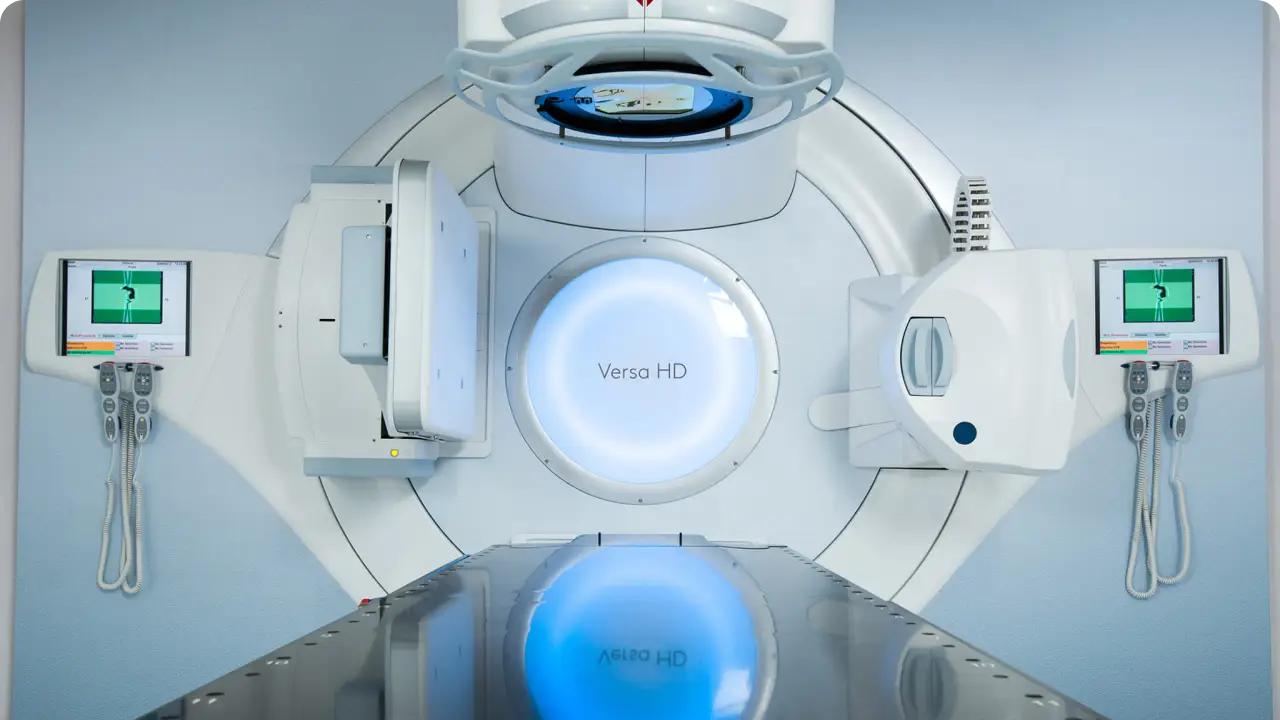
It uses small doses of radiation to help reduce pain and inflammation associated with osteoarthritis. At Joint Pain Practice, treatment usually involves six short sessions over two to three weeks.
Low-dose radiotherapy may be considered before or after joint injections, depending on the patient’s circumstances.
An X-ray is required before treatment to assess the severity of osteoarthritis. At Joint Pain Practice, we generally consider patients with mild to moderate disease and do not normally offer radiotherapy to those with grade 4 osteoarthritis.
Research has reported encouraging results, although the evidence is still developing. For instance, in a retrospective study involving 970 patients and 1,185 treated joints, average pain scores fell from 66 before treatment to 44 at the first follow-up.
You can read more about who is most likely to benefit from radiotherapy for osteoarthritis.
Surgery
Surgery is needed for only a minority of people with knee pain.
It may be considered for certain serious injuries, a genuinely locked knee caused by a mechanical obstruction, or advanced osteoarthritis that causes substantial pain and difficulty with everyday activities despite appropriate non-surgical treatment.
For knee osteoarthritis, the decision about joint replacement usually takes account of both the extent of joint damage and how much symptoms affect daily life.
Recovery, Flare-Ups and Keeping Your Knees Healthy
How long knee pain takes to improve depends on the cause.
Some minor strains and episodes of irritation settle within days or weeks. Other conditions, such as patellofemoral pain, may take several weeks or months to improve with appropriate exercises and changes to activity. Recovery from patellofemoral pain varies depending on the severity of symptoms and how well the condition responds to treatment.
Osteoarthritis is a long-term condition, but symptoms often fluctuate. You may have periods when your knee feels relatively comfortable, followed by flare-ups of pain or stiffness.
Regular movement and exercise can help maintain strength, mobility and confidence in using your knee.
To help prevent recurring knee pain, increase your exercise gradually, maintain strength in your thigh, hip and calf muscles, and avoid sitting in the same position for long periods.
If your knee pain keeps returning, becomes worse or does not improve with simple measures, seek an assessment to identify the cause and discuss suitable treatment.
How to Get Help for Knee Pain in the UK
If your knee pain is not improving, keeps returning or is affecting your daily activities, a healthcare professional can help identify the cause and recommend treatment.
NHS Assessment and Treatment
Your GP can assess your symptoms and examine your knee. Depending on the findings, they may recommend physiotherapy, medication or further investigations.
In many parts of the UK, you can also refer yourself directly to NHS musculoskeletal (MSK) physiotherapy without seeing a GP first. A pharmacist can advise on suitable pain relief for mild symptoms.
X-rays and scans are not always needed. Your clinician will decide whether imaging would help confirm the diagnosis or guide treatment.
Private Assessment and Treatment
You can also arrange an appointment with a private physiotherapist or specialist. Private care may offer quicker access to assessment, investigations and treatment, although costs vary.
If choosing private care, check that your physiotherapist is registered with the Health and Care Professions Council (HCPC) or that your consultant is on the General Medical Council (GMC) specialist register.
Where Joint Pain Practice Fits In
Joint Pain Practice specialises in low-dose radiotherapy for people with osteoarthritis who continue to experience pain despite other treatments.
Dr Richard Shaffer, consultant radiotherapy specialist, assesses patients with knee osteoarthritis to determine whether low-dose radiotherapy may be suitable.
This treatment is intended for selected patients with established osteoarthritis. It is not a treatment for every cause of knee pain, such as ligament injuries, meniscal tears or patellofemoral pain.
If you have knee osteoarthritis and ongoing pain despite other treatments, contact the Joint Pain Practice team to discuss whether low-dose radiotherapy could be appropriate for you.
Frequently Asked Questions
Why Does My Knee Hurt When I Bend It but Not When I Walk?
Activities such as squatting, kneeling and climbing stairs place different forces on the knee compared with walking on level ground. In particular, they increase the pressure between the kneecap and the thighbone.
If this part of the joint is irritated, bending your knee may be painful even when walking is comfortable. Meniscal injuries and some tendon problems can also cause pain during particular movements.
Is Knee Pain When Bending Always Arthritis?
No. Knee pain when bending can have several causes, including patellofemoral pain (runner's knee), tendon problems, meniscal injuries and bursitis.
Osteoarthritis becomes more common with age, particularly after 45, but the location of your pain, other symptoms and examination findings help determine the likely cause.
Can I Still Exercise if My Knee Hurts When I Bend It?
In many cases, yes. Gentle movement and appropriate strengthening exercises can help maintain mobility and reduce pain.
You may need to temporarily reduce activities that make your symptoms worse, such as deep squatting or running. Some mild discomfort during exercise is usually acceptable, provided it settles afterwards.
If your knee is genuinely locked, you cannot put weight on it, or it becomes hot and very swollen, seek urgent medical assessment. Repeated giving way or persistent swelling should also be assessed.
When Do I Need an MRI Scan?
Most people with knee pain do not need an MRI scan.
An MRI may be recommended if your doctor suspects a significant meniscal, ligament or other soft-tissue injury, particularly when the findings could affect treatment.
A genuinely locked knee or persistent instability may require specialist assessment. Your symptoms and examination will help determine whether an MRI is appropriate.
Can I See a Physiotherapist Without a GP Referral?
Yes. In many parts of the UK, you can refer yourself directly to NHS musculoskeletal (MSK) physiotherapy without seeing your GP first.
You can also book an appointment with a private physiotherapist without a GP referral.
When Is Low-Dose Radiotherapy an Option for Knee Osteoarthritis?
Low-dose radiotherapy (LDRT) may be considered if you have knee osteoarthritis and continue to experience pain despite treatments such as exercise, physiotherapy, weight management and medication.
At Joint Pain Practice, an X-ray is required to assess the stage of osteoarthritis before treatment. We generally consider patients with mild to moderate disease and do not normally offer LDRT to those with grade 4 osteoarthritis.
A specialist assessment will help determine whether radiotherapy is suitable for you.