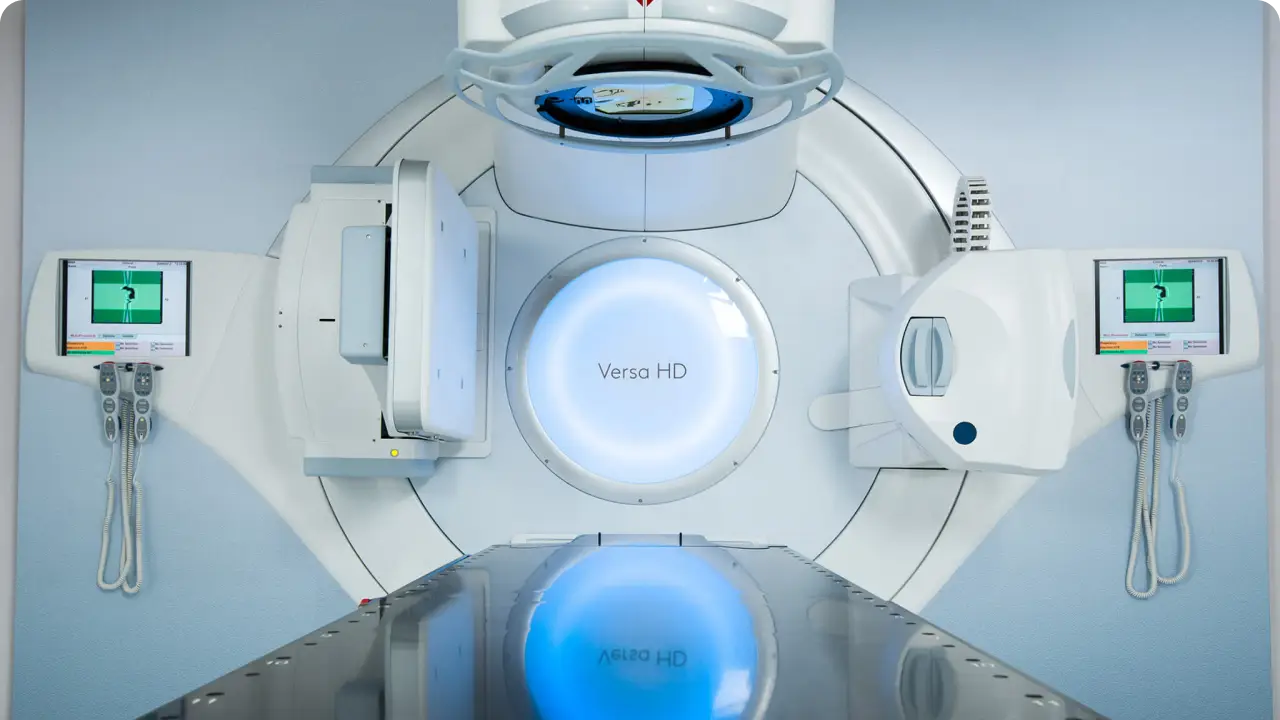
Self-management for osteoarthritis often gets less attention than medical treatments, yet it shapes daily life just as much. When people are diagnosed with osteoarthritis, the focus is usually on what a doctor can do. Should you take painkillers? Do you need an injection? Will you eventually need surgery? These are important things to think about, but they can sometimes distract from something equally important, which is the things you can do yourself to improve your symptoms and quality of life. You can read more about how we approach low-dose radiotherapy for osteoarthritis and the wider treatments we offer if you want to see where self-care fits alongside clinical options.
Many people assume osteoarthritis is simply a process of inevitable wear and tear. If that were true, there would be little point in trying to influence it. Fortunately, our understanding of osteoarthritis has moved on considerably. While there is currently nothing that can restore a joint to its original state, there are several things you can do that reduce pain, improve function and help you stay active. Often, these have as much impact on day-to-day life as any medical treatment. If you have pain in a specific joint, you may also find our pages on knee osteoarthritis and hip osteoarthritis helpful.
Here are 8 things you can do to help yourself without needing to involve any doctors.
Keep Moving
If there is one intervention that consistently appears at the top of osteoarthritis treatment guidelines around the world, it is exercise1. That may sound surprising to people who instinctively worry that using an arthritic joint will simply wear it out faster. In reality, the evidence points in the opposite direction. Exercise is one of the most effective non-drug treatments available for osteoarthritis.
The benefits extend far beyond fitness. Stronger muscles help support and protect the joint, better balance reduces the risk of falls and injuries, and improved fitness makes everyday activities easier. Exercise can also improve mood, sleep quality and overall wellbeing.
For example, when you climb stairs or stand up from a chair, the muscles around your knee help absorb some of the force passing through the joint. If those muscles become weak, more stress may be transmitted through already sensitive structures. Strengthening the muscles does not reverse cartilage loss, but it often makes movement easier and less painful.
Your exercise programme doesn’t need to be complicated. Walking, cycling, swimming, water-based exercise, strength training and structured physiotherapy programmes can all be effective. The key is finding something that suits your body, your preferences and your lifestyle, and then continuing with it over the long term.
Reduce Unnecessary Stress On The Joint
Osteoarthritis is not simply a mechanical problem, but mechanics still matter. Every step places force through your joints, and if those forces can be managed more effectively, symptoms often improve.
For people who are overweight, even modest weight loss can make a meaningful difference. Each pound of weight lost results in roughly a four-fold reduction in the load passing through the knee with every step2, and this adds up across thousands of steps each day. Weight loss may also help through another pathway. Body fat is not just a storage tissue; it produces inflammatory signals that may contribute to osteoarthritis symptoms. This may help explain why obesity is linked not only to knee and hip arthritis but also to hand arthritis, where weight-bearing is not a factor3.
There are other practical ways of improving joint loading. Supportive footwear, orthotics, knee braces, thumb splints and walking aids can all help selected patients. Many people resist walking sticks because they associate them with frailty or disability, but a well-chosen walking aid can sometimes reduce pain and improve confidence remarkably well.
Avoid The Boom-And-Bust Cycle
One of the most common patterns seen in osteoarthritis is the boom-and-bust cycle. You have a good day, feel better than usual and decide to catch up on everything you have been unable to do. A long walk, several hours of gardening or a major household project then leaves you struggling for the next few days.
This pattern can be frustrating because it feels productive at the time, but it often leads to more flare-ups. A better approach is usually pacing. Rather than alternating between periods of doing too much and being forced to rest, try to spread activity more evenly throughout the week. Consistent, sustainable activity tends to be more helpful than occasional bursts of enthusiasm followed by several days of recovery.
Prioritise Sleep
Many people sleep badly because they are woken by pain from their osteoarthritis, but poor sleep can also increase sensitivity to pain4. This creates a vicious cycle that can be difficult to escape.
When sleep is poor, people often feel more tired, less resilient and less motivated to exercise. Pain may feel worse even if the joint itself has not changed. Improving sleep will not cure osteoarthritis, but it can have a surprisingly large effect on pain, energy levels and overall quality of life.
If your sleep is being disrupted, start by asking why. Pain may be waking you when you roll onto an arthritic shoulder or hip, or you may be struggling to get comfortable because of knee pain. A different mattress, a change in pillow arrangement or a new sleeping position might help, and pain control sometimes wears off overnight. Some people also find that reducing caffeine later in the day, limiting alcohol in the evening and keeping a regular sleep routine improves both sleep quality and pain levels. The important point is that poor sleep is not just something to put up with. Identifying and addressing the factors that are disturbing your sleep can sometimes have a surprisingly large effect on how your osteoarthritis feels during the day.
Heat, Cold And Other Ways To Reduce Symptoms
Heat can be particularly helpful for stiffness, especially in the hands. Warm baths, heating pads and hydrotherapy pools are commonly used for this reason. Cold therapy tends to be more helpful during painful flare-ups or when swelling is present5. Some people find ice useful after activity, while others strongly prefer warmth.
Massage and hands-on therapies can also provide short-term symptom relief for some patients. Although the scientific evidence is mixed, many people report that these approaches help reduce muscle tension, improve comfort and increase confidence in movement. Topical anti-inflammatory gels can be useful as well, often providing symptom relief with fewer side effects than tablets6.
Speak to a specialist about your osteoarthritis
Diet, Metabolic Health And Supplements
There is growing interest in the relationship between osteoarthritis, diet, metabolic health and inflammation. While many questions remain unanswered, researchers increasingly recognise that osteoarthritis is not simply a problem of worn cartilage. Things like obesity, insulin resistance and low-grade inflammation can also influence symptoms and disease progression.
Diets based largely on vegetables, fruit, legumes, fish, whole grains and healthy fats are good for overall health and may help reduce inflammation. Many patients report feeling better after making dietary changes, although it can be difficult to separate the effects of diet itself from the benefits of weight loss and other lifestyle improvements.
Many patients also ask about supplements such as glucosamine, chondroitin, turmeric, collagen or omega-3 oils. Some people report worthwhile improvements in pain or stiffness, while others notice little change. The evidence for glucosamine and chondroitin is mixed, and large trials have found little benefit over placebo7. If you decide to try them, it is sensible to view them as a possible addition to exercise, weight management and other healthy lifestyle habits.
Massage and hands-on therapies can also provide short-term symptom relief for some patients. Although the scientific evidence is mixed, many people report that these approaches help reduce muscle tension, improve comfort and increase confidence in movement. Topical anti-inflammatory gels can be useful as well, often providing symptom relief with fewer side effects than tablets6.
Keep Moving, Even If The Joint Hurts Sometimes
Many people with osteoarthritis become understandably cautious about movement. If walking, climbing stairs or exercising causes pain, it is natural to assume that the joint is being damaged further. As a result, people often begin to avoid activities that they previously enjoyed or gradually reduce how much they do from day to day.
The problem is that inactivity often creates new difficulties. Muscles become weaker, fitness declines, and confidence falls. Activities that were previously manageable become harder, and over time, the resulting deconditioning can contribute as much to disability as the arthritis itself.
This does not mean ignoring pain or pushing through severe symptoms. Rather, it means recognising that pain and damage are not always the same thing. A painful day does not necessarily mean the joint has deteriorated, and a flare-up does not necessarily mean you have caused harm. Learning how to remain active even when symptoms come and go is one of the most important skills in long-term osteoarthritis management.
Be Careful Who You Listen To
Patients with osteoarthritis often receive advice from many different sources. Family members, friends, social media, internet forums, YouTube videos, healthcare professionals and alternative practitioners may all have strong opinions about what works and what does not.
The difficulty is that these messages often conflict. One source says exercise is essential, another claims it wears joints out. One recommends supplements enthusiastically, another dismisses them entirely. It can become difficult to know whom to trust.
When information conflicts, it is worth asking whether the advice is based on scientific evidence, personal experience or marketing. Reliable information is often less dramatic than the claims that attract attention online, but it is usually more useful in the long run.
What If You’re Doing All Of These Things And Still Struggling
Sometimes people do many of the right things and still have significant symptoms. They exercise regularly, work on strength, manage their weight, improve their sleep and pace their activities sensibly, yet the joint continues to have a major impact on daily life.
When that happens, it may be time to explore additional treatment options. Depending on the situation, these may include physiotherapy, specialist pain management, low-dose radiotherapy, injections or, in some cases, surgery. The important point is that these treatments are not alternatives to self-management. They work best alongside it.
For example, a treatment that reduces pain may make it easier to exercise, improve sleep, maintain a healthy weight and stay active. The goal is not simply to reduce pain but to create an opportunity for all the other positive changes to take effect.
The Bottom Line
Many people with osteoarthritis spend years searching for a single treatment that will solve the problem. In reality, improvement often comes from several factors working together rather than one dramatic intervention.
Regular exercise, maintaining strength, managing weight, sleeping well, pacing activity, reducing fear of movement and looking after your overall health can all make a meaningful difference. None of these interventions is particularly glamorous, but collectively they can have a powerful effect on pain, function and quality of life.
Medical treatments certainly have an important role. However, some of the most effective ways of improving osteoarthritis are things you can start working on today. If symptoms remain troublesome despite your best efforts, a specialist assessment can help identify which additional treatment options may be appropriate and whether interventions such as low-dose radiotherapy could have a role alongside your existing self-management strategies.
Frequently Asked Questions
Can osteoarthritis be improved without medication?
Yes. For many people, regular exercise, weight management, better sleep and pacing make a real difference to pain and function. These steps will not restore a damaged joint, but they often improve daily life as much as medical treatment. Medication can still help, and it usually works best alongside these self-management habits.
Is exercise safe if my joints already hurt
In most cases, yes. Joint pain may increase a little when you start, but regular, consistent activity tends to reduce pain and improve function over time. Pain and joint damage are not always the same thing. If you are unsure where to begin, a physiotherapist can build a plan that suits your symptoms and fitness.
How much weight do I need to lose to feel a difference
Even modest weight loss can help. Every pound lost takes a much larger amount of load off the knee with each step, and the benefit builds across thousands of steps a day. Many people notice improvements in pain and movement well before they reach an ideal weight.
Do glucosamine and other supplements work for osteoarthritis
The evidence is mixed. Some people feel better taking supplements such as glucosamine or chondroitin, while large studies have shown little benefit over placebo. If you want to try them, treat them as a possible extra rather than a replacement for exercise, weight management and other proven habits, and speak to your pharmacist or GP first.
Should I use heat or cold for joint pain?
Both can help, and the best choice often comes down to personal preference. Heat tends to ease stiffness, while cold can be more useful during a painful flare-up or when a joint is swollen. Many people alternate between the two and use whichever brings the most relief on the day.
When should I see a specialist about my osteoarthritis
It may be worth seeking a specialist assessment when your symptoms continue to affect daily life despite consistent self-management. A specialist can review your situation and discuss further options, including physiotherapy, pain management, injections and low-dose radiotherapy. You can book a consultation to talk through what might suit you.
References
- National Institute for Health and Care Excellence (NICE). Osteoarthritis in over 16s: diagnosis and management (NG226), Recommendations.
- Messier SP, Gutekunst DJ, Davis C, DeVita P. Weight loss reduces knee-joint loads in overweight and obese older adults with knee osteoarthritis. Arthritis Rheum. 2005. PubMed.
- Obesity versus osteoarthritis: beyond the mechanical overload. PubMed.
- WebMD. Arthritis Pain and Sleep.
- Cleveland Clinic. Ice or Heat: What’s Better for Soothing Arthritis Pain?
- NHS. Osteoarthritis: Treatment and support.
- National Center for Complementary and Integrative Health (NIH). Glucosamine and Chondroitin for Osteoarthritis.